
You discover a leaking pipe, overflowing appliance, roof leak or flooded room and eventually get the water stopped.
Then comes another question:
What happens to the drywall?
Does every piece of wet drywall have to be torn out? Can you simply put fans on it? How do you know whether the inside of the wall has dried? And what happens if wet drywall is left in place?
The answer depends on much more than whether the wall currently looks wet.
Some drywall can be successfully dried. Other drywall should be removed and replaced. Factors including the source of the water, duration of exposure, amount of saturation, condition of the drywall and materials inside the wall all matter.
Here’s what Metro Detroit homeowners should know before deciding what to do with wet drywall.
If you are currently dealing with water damage, Anytime Restoration provides 24/7 emergency restoration services. Call (855) 350-0333.
What Happens When Drywall Gets Wet?
Drywall is made primarily from a gypsum core covered with paper.
That construction makes drywall economical and useful for interior walls, but it also means the material can absorb moisture.
When water reaches drywall, several things can happen.
The paper surface may become damp. Water may migrate into the gypsum core. Moisture may travel upward through capillary action. Paint can bubble or peel. The drywall can swell or lose strength.
Water may also pass through or around the drywall and affect:
- Insulation
- Wood framing
- Baseboards
- Flooring
- Electrical components
- Adjacent rooms
That is why the condition of the visible wall is only part of the evaluation.
Does Wet Drywall Always Need to Be Replaced?
No.
This is one of the biggest misconceptions about water damage.
According to guidance from the U.S. Environmental Protection Agency, drywall or gypsum wallboard may sometimes be dried in place when there is no obvious swelling and the seams remain intact.
If the material has deteriorated, however, removal may be necessary.
Professional restoration technicians consider several factors before making that decision.
When Might Drywall Be Dried?
Drying may be possible when:
- The water source was relatively clean.
- The water was discovered quickly.
- The drywall remains structurally sound.
- There is no significant swelling.
- Seams remain intact.
- There is no visible mold.
- The wall cavity can be effectively dried.
- Moisture levels can be monitored and verified.
For example, a recently discovered clean-water plumbing leak that lightly wets the lower section of a wall may present a very different restoration scenario than a basement that remained flooded for several days.
When Should Wet Drywall Be Removed?
There are several situations where removal becomes more likely.
The Drywall Is Swollen or Deformed
Drywall that has absorbed significant moisture can change shape.
Look for:
- Bulging
- Bowing
- Sagging
- Swollen edges
- Crumbling material
- Separated seams
Once drywall has lost its structural integrity, drying alone may not restore it.
The Drywall Is Soft
Wet drywall can become noticeably soft.
If the gypsum core has deteriorated, replacement may be more practical than attempting to save the material.
The Water Was Contaminated
The source of water matters.
A wall affected by a small clean-water supply leak is not the same as drywall exposed to sewage or contaminated floodwater.
The CDC warns that floodwater may contain sewage as well as other biological and chemical contaminants.
Porous materials affected by contaminated water frequently require removal rather than simple drying.
Mold Is Present
Visible mold growth changes the situation.
The moisture source must be corrected and affected materials properly addressed.
Anytime Restoration provides professional mold remediation services for properties where mold has developed following water intrusion.
Insulation Behind the Wall Is Saturated
The drywall itself may not tell the entire story.
If insulation inside the wall is saturated, technicians need to determine whether the assembly can be effectively dried.
Some materials hold water much longer than the visible drywall surface.
Water Has Been Present for an Extended Period
Time matters.
The longer materials remain wet, the greater the opportunity for:
- Swelling
- Adhesive failure
- Material deterioration
- Odors
- Microbial growth
EPA and CDC guidance recommends drying water-damaged areas and items within approximately 24–48 hours when possible.
Why Simply Pointing a Fan at the Wall May Not Be Enough
Household fans can move air across a surface.
The problem is that water may be:
- Behind the drywall
- Inside insulation
- Under flooring
- Against framing
- Inside wall cavities
Drying the painted surface does not necessarily mean those areas have reached acceptable moisture levels.
Professional structural drying and dehumidification addresses both the wet materials and moisture in the surrounding air.
How Professional Drying Works
A professional drying plan typically begins with inspection.
Technicians determine:
- Where the water originated.
- Which materials were affected.
- How far the moisture traveled.
- Whether materials can be restored.
- What drying equipment and procedures are appropriate.
Water Extraction
If standing water is present, removing as much liquid water as possible is generally the first priority.
Extraction is more efficient than relying solely on evaporation.
Air Movement
Professional air movers increase airflow across wet materials.
This encourages moisture to evaporate.
Dehumidification
As moisture leaves wet building materials, it enters the air.
Dehumidifiers remove that moisture from the environment so the drying process can continue efficiently.
Moisture Monitoring
Drying should be measured, not guessed.
Technicians can take moisture readings during the project to determine whether affected materials are progressing toward appropriate drying goals.
This is one of the biggest differences between professional structural drying and simply leaving fans running for several days.
What About Wet Insulation Behind Drywall?
Different types of insulation respond differently to water.
The extent of saturation, contamination and ability to dry all matter.
If insulation remains wet inside a closed wall cavity, the surrounding drywall may appear dry while hidden moisture remains.
That is why professional inspection sometimes requires creating access to the wall cavity.
The objective should always be to address the entire affected assembly, not just the surface that is easiest to see.
Can Wet Drywall Cause Mold?
Wet drywall can provide conditions suitable for mold growth because its paper facing and surrounding dust contain organic material.
However, water damage does not automatically mean mold will develop.
Speed matters.
The EPA recommends drying wet materials and areas within approximately 24–48 hours when possible.
The CDC provides similar guidance and stresses correcting leaks and moisture problems.
The important takeaway is simple:
Do not wait for mold to appear before addressing wet drywall.
What Does Mold on Wet Drywall Look Like?
Mold appearance varies.
Possible signs include:
- Dark spotting
- Greenish growth
- White or fuzzy patches
- Irregular discoloration
- Musty odors
However, appearance alone cannot tell you the complete extent of a mold or moisture problem.
If water entered a wall cavity, hidden materials should also be considered.
Wet Drywall From a Basement Flood
Finished basements present a common water-restoration challenge in Michigan.
Water from heavy rain, sump pump failure, foundation intrusion, plumbing problems or sewer backups can affect the lower portions of finished basement walls.
Depending on the depth and source of water, moisture may affect:
- Drywall
- Baseboards
- Insulation
- Studs
- Carpet
- Flooring
- Stored belongings
If your basement floods, avoid assuming that removing visible standing water completes the drying process.
Anytime Restoration provides water damage restoration services designed to address water removal, structural drying and related property damage.
Wet Drywall From a Roof Leak
Roof leaks often produce ceiling stains before homeowners realize there is a problem.
Water can affect:
- Ceiling drywall
- Attic insulation
- Rafters
- Wall cavities
- Electrical fixtures
Sagging wet ceiling drywall deserves particular caution.
Do not stand underneath severely sagging material. Water-saturated ceiling materials can fail.
The source of the roof leak should be addressed before restoration work is completed.
Wet Drywall From a Burst or Frozen Pipe
Michigan’s cold winters create another common water-loss scenario: frozen plumbing.
When a frozen pipe cracks or fitting fails, significant amounts of water can enter wall and ceiling cavities.
If this occurs:
- Shut off the water supply if safe.
- Avoid electrical hazards.
- Document damage.
- Move unaffected belongings away.
- Contact a water restoration professional.
Do not begin closing walls or making cosmetic repairs until moisture conditions have been properly evaluated.
Should You Cut Wet Drywall Yourself?
It depends on the situation, but homeowners should be cautious.
Removing drywall can expose:
- Electrical wiring
- Plumbing
- Contaminants
- Mold
- Insulation
- Sharp materials
If sewage, significant mold, structural damage or electrical hazards are involved, professional assistance is strongly recommended.
The goal is not simply to make a hole in the wall.
The goal is to determine the appropriate restoration scope and dry the structure safely.
Can You Paint Over Water-Damaged Drywall?
Only after the moisture problem has been corrected and the material has been determined to be dry and serviceable.
Painting over a damp wall can hide evidence of the problem without solving it.
If you see a stain, first determine:
- Where the water came from
- Whether the source has stopped
- Whether the drywall remains wet
- Whether hidden materials are affected
- Whether mold or deterioration is present
Cosmetic repair should come last.
What If the Wall Looks Dry?
Visual inspection is not enough.
The surface of a wall may dry faster than materials inside the wall cavity.
This is particularly important when insulation is present.
Professional moisture meters and other diagnostic equipment can help identify areas where moisture remains elevated.
Anytime Restoration’s water-damage process includes professional drying and monitoring designed to address moisture beyond what homeowners can see.
What Should You Do Immediately After Drywall Gets Wet?
Stop the Source
If possible and safe, shut off the water or have the leak repaired.
Protect Yourself
Stay away from standing water near electrical systems.
Do not handle sewage-contaminated materials without appropriate precautions.
Move Belongings
Move furniture, boxes, electronics and other items away from the affected wall when safe.
Photograph the Damage
Photographs can help document the condition of the property.
Get the Moisture Evaluated
If significant water entered walls, ceilings or floors, professional inspection can help determine the extent of damage.
Will Homeowners Insurance Cover Wet Drywall?
Coverage depends on the policy and cause of loss.
For example, sudden accidental water damage may be treated differently from long-term leakage, maintenance problems or flooding from outside the home.
Anytime Restoration has published a detailed guide to water damage and flood insurance coverage in Michigan.
Always contact your insurance carrier or agent for information specific to your policy.
Wet Drywall in Metro Detroit Homes
Anytime Restoration provides emergency restoration throughout Southeast Michigan.
Its coverage includes Macomb County, Wayne County and communities throughout Oakland County and the surrounding region.
The company is headquartered at 6655 Chicago Rd, Warren, MI 48092 and also maintains Michigan locations in New Baltimore and Kingsley.
For a complete list of communities, visit the Anytime Restoration service area.
Warren homeowners can also visit the dedicated Warren restoration services page.
Frequently Asked Questions About Wet Drywall
How quickly should wet drywall be dried?
EPA and CDC guidance recommends drying water-damaged materials within approximately 24–48 hours when possible to help prevent mold growth.
Is drywall ruined once it gets wet?
Not necessarily. Lightly affected drywall may sometimes be dried when it remains structurally sound and the water source and surrounding conditions allow appropriate restoration.
How can you tell if drywall is still wet?
Professional moisture meters can help evaluate moisture levels that may not be obvious visually.
Should wet drywall be removed after a basement flood?
It depends on the water source, saturation, condition of the material and contamination. Drywall affected by contaminated water requires different treatment than drywall affected by a small clean-water leak.
Can mold grow behind drywall?
Yes. Moisture can become trapped in wall cavities and create conditions that support mold growth.
Will a dehumidifier dry wet drywall?
Dehumidification can be an important part of structural drying, but successful drying depends on the entire assembly, airflow, temperature, amount of water and materials involved. A household dehumidifier alone may not be sufficient for significant water damage.
How do professionals know when drywall is dry?
Restoration technicians use moisture readings and compare affected materials with appropriate drying goals rather than relying solely on appearance.
Get Professional Help With Wet Drywall in Michigan
The question is not simply, “Did my drywall get wet?”
The better questions are:
How wet did it get? What kind of water affected it? What is wet behind it? Is it still structurally sound? Can the entire wall assembly be properly dried?
Those answers determine whether drywall can remain or should be removed.
If water has entered the walls, ceilings or floors of your Metro Detroit home or business, contact Anytime Restoration.
Call (855) 350-0333 24 hours a day, 7 days a week, or request service online.
Acting quickly gives restoration professionals the best opportunity to dry salvageable materials and limit additional damage.
"*" indicates required fields







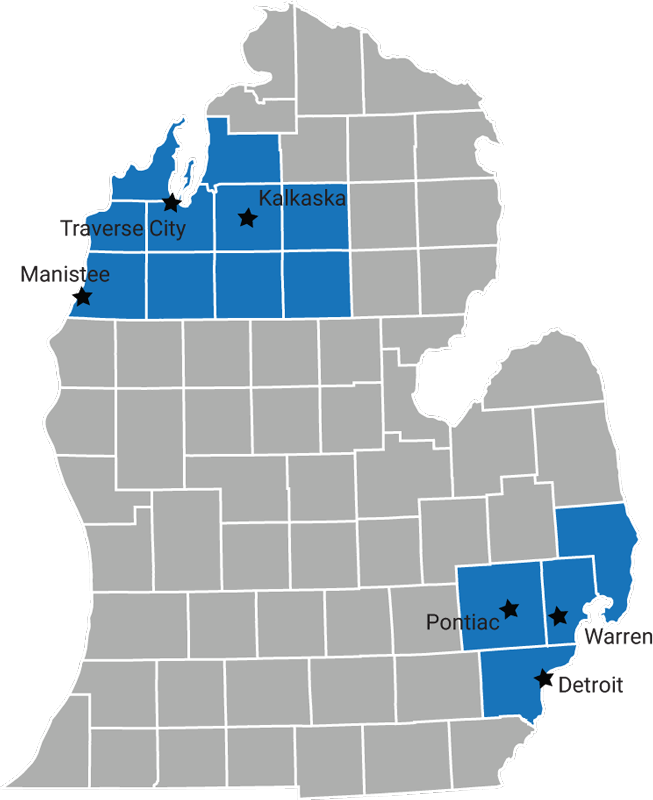
Proudly Serving Northern & South Eastern Michigan
Providing residential and commercial disaster restoration and reconstruction services to Wayne, Oakland, Macomb, St. Clair, Grand Traverse, Kalkaska, Wexford, Antrim, Leelanau, Benzie, Manistee, Missaukee, Crawford and Roscommon Counties.
- Detroit
- Dearborn
- Livonia
- Westland
- Troy
- Farmington Hills
- Rochester Hills
- Southfield
- Warren
- Sterling Heights
- St. Claire Shores
- Roseville
- Port Huron
- Marysville
- Richmond
- St. Claire
- Traverse City
- Kingsley
- Kalkaska
- Cadillac
- Manton
- Buckley
- Elk Rapids
- Mancelona
- Bellaire
- Suttons Bay
- Northport
- Frankfort
- Benzonia
- Thompsonville
- Manistee
- Eastlake
- Kaleva
- Lake City
- Grayling
- Roscommon