
After the Flames: What to Do If You’ve Had a Fire in Your Home
A house fire can leave you overwhelmed in minutes. Even after the flames are out, smoke residue, soot, water from firefighting efforts, and hidden structural damage can continue affecting your property. Here is what to do next to protect your home, your family, and your recovery process.
Call 24/7: (855) 350-0333 Request Help Online
The hours after a residential fire are critical. Acting carefully and in the right order can help reduce secondary damage, protect your health, support your insurance claim, and make the restoration process smoother. Whether the fire was large or limited to one room, the cleanup process often involves more than just removing burned materials. Smoke odor, acidic soot, water damage, and compromised building materials all need to be addressed properly.
1. Make Safety the First Priority
Do not go back inside your home until the fire department says it is safe. Even when the visible flames are gone, there may still be dangerous hot spots, weakened structural areas, unstable ceilings, exposed wiring, broken glass, and contaminated air.
If you are permitted to re-enter briefly, wear closed-toe shoes and avoid touching damaged surfaces unnecessarily. Children and pets should be kept away from the property until the environment is stabilized and cleaned.
2. Contact Your Insurance Company Right Away
Call your insurance carrier as soon as possible to report the fire. Ask for your claim number, confirm what emergency steps are approved, and find out what documentation they will want from you. Early communication helps keep the process moving.
Keep notes from every call, including the name of the representative, the date, and any instructions you receive. If possible, create a folder on your phone or computer for photos, receipts, emails, and claim-related paperwork.
Helpful link: Learn about the claims process
3. Document the Damage Before Cleanup Starts
If the property is safe to access, take clear photos and video of all affected areas before items are moved or disposed of. Document burned materials, smoke-stained walls and ceilings, damaged contents, water from firefighting efforts, and any areas that appear structurally compromised.
Try to capture wide shots of each room first, then close-up images of specific damage. This can help support both insurance review and restoration planning.
Need Fire Damage Help Now?
Smoke and soot damage can continue spreading after the fire is out. Fast response matters.
4. Do Not Start Deep Cleaning on Your Own
It is natural to want to start scrubbing right away, but fire damage cleanup is not the same as standard cleaning. Soot can smear, stain, and spread deeper into surfaces if handled incorrectly. Smoke odors can also become more difficult to remove if residues are not treated properly.
Avoid using household vacuums on soot, avoid washing walls without guidance, and avoid running your HVAC system until it has been evaluated. Improper cleaning can cause more damage and make restoration harder.
5. Address Water Damage From Firefighting Efforts
Many house fires also leave behind water damage. Floors, drywall, insulation, cabinetry, and contents may have been soaked during suppression efforts. If the water is not removed and the structure is not dried properly, additional damage and mold growth can follow.
Related help: Water Damage Restoration
6. Secure the Property
Fires often leave broken windows, damaged doors, roof openings, and exposed sections of the structure. Temporary board-up and stabilization measures help protect the property from weather, theft, animals, and additional damage while restoration plans are being made.
Securing the property quickly also helps keep the loss from getting worse, which is important for both safety and claim support.
7. Separate Salvageable and Non-Salvageable Items Carefully
Some belongings may be restorable, while others may be too heavily burned, contaminated, or smoke-damaged to save. Do not throw out major items too quickly unless your insurer or restoration team has approved it. Clothing, furniture, electronics, paper goods, and sentimental items may require specialized cleaning or documentation before decisions are made.
Keep an itemized list of damaged belongings whenever possible. That list can help with inventory, claim review, and restoration planning.
8. Bring in a Professional Fire Damage Restoration Team
A professional restoration team can help evaluate the full scope of fire, smoke, soot, and water damage. That may include emergency mitigation, debris removal, smoke damage cleanup, odor treatment, demolition of unsalvageable materials, cleaning, documentation, and reconstruction planning.
Learn more: Fire Damage Restoration | Fire Cleanup | Reconstruction
9. Take Care of Immediate Living Needs
If the home is not safe to occupy, arrange temporary housing, medications, clothing, toiletries, chargers, pet supplies, and important documents. Save receipts for emergency purchases and temporary lodging, since those may be relevant to your policy.
This part of the process is often emotional and exhausting. A written checklist can help you stay organized while major decisions are being made.
10. Focus on the Full Recovery, Not Just the Visible Damage
Fire damage is rarely limited to what looks burned. Smoke can travel through multiple rooms. Soot can settle inside cabinets, on light fixtures, and inside HVAC systems. Water from firefighting can affect flooring, walls, and lower levels of the home. A complete restoration plan should account for all of it.
Taking the right steps early can help reduce secondary damage, support the claims process, and make it easier to move forward.
Related Fire and Restoration Resources
- Fire Damage Restoration
- Fire Cleanup
- Emergency Services
- Our Claims Process
- The Importance of Fast Response in Disaster Recovery
- Latest News & Guides
Fire Damage FAQs
Can I stay in my home after a fire?
Only if the fire department or appropriate authority says it is safe. Smoke residue, structural damage, and hazardous materials can make a home unsafe even after the fire is extinguished.
Should I clean soot myself?
It is usually better to avoid deep cleaning soot on your own. Improper cleaning can spread residue and permanently damage surfaces.
What if there is water damage too?
That is common after firefighting efforts. Water extraction and structural drying should happen quickly to help prevent additional damage.
Do I need to call my insurance company before restoration starts?
You should notify your carrier as soon as possible. Emergency stabilization may still need to happen quickly, but documenting the loss and understanding the claim process early is helpful.
Need Help After a Fire in Southeast Michigan?
Anytime Restoration provides 24/7 emergency response for fire and smoke damage, cleanup, and reconstruction support.
Headquarters: 6655 Chicago Rd, Warren, MI 48092
"*" indicates required fields







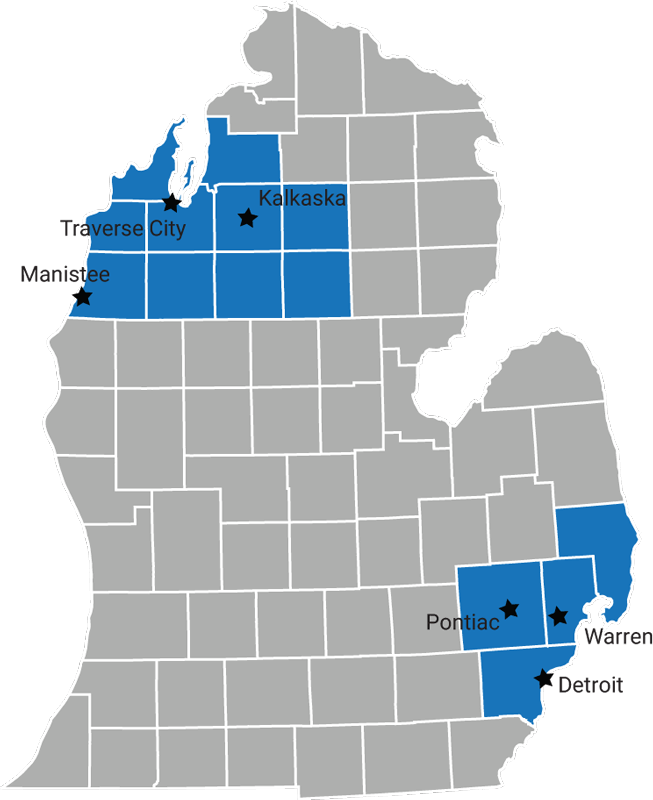
Proudly Serving Northern & South Eastern Michigan
Providing residential and commercial disaster restoration and reconstruction services to Wayne, Oakland, Macomb, St. Clair, Grand Traverse, Kalkaska, Wexford, Antrim, Leelanau, Benzie, Manistee, Missaukee, Crawford and Roscommon Counties.
- Detroit
- Dearborn
- Livonia
- Westland
- Troy
- Farmington Hills
- Rochester Hills
- Southfield
- Warren
- Sterling Heights
- St. Claire Shores
- Roseville
- Port Huron
- Marysville
- Richmond
- St. Claire
- Traverse City
- Kingsley
- Kalkaska
- Cadillac
- Manton
- Buckley
- Elk Rapids
- Mancelona
- Bellaire
- Suttons Bay
- Northport
- Frankfort
- Benzonia
- Thompsonville
- Manistee
- Eastlake
- Kaleva
- Lake City
- Grayling
- Roscommon