A sewage backup is one of the most stressful and hazardous property emergencies a homeowner can deal with. Whether it starts in a basement drain, toilet, floor drain, laundry room, or utility area, sewage water can spread quickly and contaminate flooring, walls, contents, and structural materials. For homeowners in Metro Detroit, where heavy rain, older sewer lines, sump pump issues, and aging infrastructure can all contribute to backups, fast professional cleanup is critical.
Many people are tempted to handle sewage cleanup themselves. They may grab towels, a mop, bleach, a shop vacuum, and a fan, hoping the problem can be cleaned up like any other household mess. Unfortunately, sewage backup cleanup is not ordinary cleaning. It is a contaminated water loss that can expose your family to harmful bacteria, viruses, parasites, waste, and hidden moisture that may remain long after the visible water is gone.
If you are dealing with a sewage backup in Detroit, Warren, Sterling Heights, Troy, Royal Oak, Livonia, Novi, Southfield, Dearborn, Rochester Hills, Farmington Hills, St. Clair Shores, or anywhere across Metro Detroit, call Anytime Restoration at (855) 350-0333 for 24/7 emergency help.
Request emergency restoration service or learn more about sewage backup cleanup in Metro Detroit.
What Is a Sewage Backup?
A sewage backup happens when wastewater reverses direction and comes back into your home or business instead of flowing safely away through the plumbing or sewer system. This may happen through floor drains, toilets, showers, tubs, laundry drains, or basement drains.
Common causes of sewage backups in Metro Detroit include clogged main sewer lines, tree root intrusion, broken sewer pipes, heavy rainfall, municipal sewer overload, sump pump failure, septic issues, grease buildup, and flushed items that should never enter the drain system.
Unlike clean water from a broken supply line, sewage water is considered highly contaminated. Restoration professionals often refer to this type of water as Category 3 water, commonly called black water. This type of water can contain pathogens and harmful contaminants that make cleanup unsafe without proper equipment, training, containment, and disinfection.
Why Sewage Backup Cleanup Is Not a DIY Job
When a homeowner sees sewage water on the floor, the first instinct is often to remove it as quickly as possible. That part is understandable. The problem is that visible water is only one part of the damage. Sewage can soak beneath flooring, behind baseboards, into drywall, under cabinets, into carpet padding, and even into subflooring. Once contaminated water reaches porous materials, surface cleaning is not enough.
Trying to clean sewage without professional equipment can put your health at risk and make the damage worse. A mop may move contaminated water around. A household fan may spread airborne particles and odors. A shop vacuum may become contaminated itself. Bleach may disinfect some hard surfaces, but it does not remove hidden moisture, properly clean porous materials, or address contamination inside structural cavities.
Professional sewage backup cleanup focuses on safe removal, containment, extraction, disposal, drying, cleaning, disinfection, odor control, and documentation. That is why Metro Detroit homeowners should treat a sewage backup as an emergency restoration issue, not a simple cleaning task.
The Health Risks of Sewage Water
Sewage water may contain bacteria, viruses, parasites, fungi, chemicals, human waste, and other contaminants. Exposure may happen through direct skin contact, contaminated belongings, airborne particles, or accidental contact with affected surfaces.
Health risks can include stomach illness, skin irritation, eye irritation, respiratory symptoms, infection risk, allergic reactions, and increased danger for children, older adults, and people with weakened immune systems.
The risk does not disappear just because the floor looks dry. Contamination may remain in materials and surfaces after the water recedes. That is one of the biggest dangers of DIY cleanup. A room may appear clean, but bacteria, moisture, and odor-causing contamination can remain hidden beneath the surface.
For additional public health guidance, homeowners can reference the Centers for Disease Control and Prevention, the U.S. Environmental Protection Agency, and the Institute of Inspection Cleaning and Restoration Certification.
Hidden Contamination Can Spread Fast
Sewage water rarely stays in one neat area. It can travel along cracks, seams, flooring transitions, wall cavities, baseboards, and low points in a basement. Walking through the affected area can carry contamination into clean rooms. Pets can track it through the house. Towels, buckets, shoes, and cleaning tools can spread bacteria from one area to another.
In a finished basement, sewage may affect carpet, padding, drywall, trim, insulation, furniture, storage boxes, and personal belongings. In a utility room, it may reach appliances, mechanical systems, shelving, and stored contents. In a bathroom, it can spread beneath tile, under vanities, and into wall cavities.
Professional restoration teams use containment procedures, protective equipment, moisture detection tools, extraction equipment, and antimicrobial cleaning products to reduce the risk of cross contamination. They also determine which materials can be cleaned and which materials need to be removed for safety.
Mold Can Become a Secondary Problem
Sewage backups are dangerous because of contamination, but moisture can create another major problem: mold. When water remains trapped behind walls, under flooring, or inside porous materials, mold can begin developing quickly. Metro Detroit homes with finished basements are especially vulnerable because carpet, drywall, insulation, and wood framing can hold moisture.
DIY cleanup often fails because it removes only the surface water. A floor may look dry while moisture remains below. Fans may dry the surface but leave wet padding, subflooring, or drywall behind. That trapped moisture can lead to musty odors, staining, material breakdown, and mold growth.
If you suspect mold after a sewage backup or water damage event, visit Anytime Restoration’s mold remediation page for more information.
Why Bleach Is Not Enough for Sewage Cleanup
Bleach is one of the most common things homeowners reach for after a sewage backup. While bleach may help disinfect some non-porous surfaces when used properly, it is not a complete sewage cleanup solution.
Bleach does not extract contaminated water. It does not remove sewage from porous materials. It does not dry wet walls or flooring. It does not identify hidden moisture. It does not remove damaged carpet padding or insulation. It does not document the loss for insurance. It can also create fumes and damage some surfaces when mixed or applied incorrectly.
Professional restoration requires a controlled process. That may include extraction, removal of unsalvageable materials, detailed cleaning, application of appropriate disinfectants, drying, dehumidification, odor treatment, and moisture monitoring.
What To Do Immediately After a Sewage Backup
If sewage backs up into your home or business, take the situation seriously and act quickly.
1. Stay Out of the Affected Area
Keep children, pets, and anyone with health concerns away from the contaminated area. Avoid touching sewage water, affected materials, or items that may have absorbed contamination.
2. Stop Using Plumbing Fixtures
Do not use toilets, sinks, showers, washing machines, dishwashers, or tubs until the source of the backup has been addressed. Using more water may worsen the backup.
3. Avoid Electrical Hazards
Do not walk through standing water near outlets, electrical panels, appliances, extension cords, or power strips. If there is any electrical risk, wait for a qualified professional.
4. Document the Damage
If it is safe to do so, take photos or videos from a safe distance. Document affected rooms, flooring, contents, water levels, and visible damage. This may help with your insurance claim.
5. Call a Professional Restoration Company
Fast response matters. Call (855) 350-0333 for emergency sewage backup cleanup in Metro Detroit. You can also visit the Anytime Restoration contact page to request help.
What Professional Sewage Backup Cleanup Includes
A professional sewage cleanup project is more detailed than removing water. The goal is to make the affected space safe, dry, clean, and ready for repairs or reconstruction when needed.
Inspection and Safety Assessment
The restoration team identifies affected areas, checks for safety hazards, evaluates the source of the backup, and determines the extent of contamination and moisture migration.
Water Extraction
Commercial extraction equipment removes standing contaminated water more effectively than household tools. Fast extraction helps reduce damage and limits how far moisture spreads.
Removal of Contaminated Materials
Some materials cannot be safely restored after contact with sewage. This may include carpet padding, insulation, drywall, trim, cardboard, and certain porous contents. Removing contaminated materials helps protect the property and reduce odor.
Cleaning and Disinfection
Affected hard surfaces are cleaned and treated using appropriate professional-grade products. This step helps reduce contamination and prepares the area for drying and repair.
Structural Drying
Industrial air movers, dehumidifiers, and moisture monitoring tools help dry the structure properly. Professional drying is important because hidden moisture can lead to mold, odors, and long-term damage.
Odor Control
Sewage odor can linger if contamination is not removed correctly. Professional cleaning and odor treatment help address the source instead of simply masking the smell.
Repair and Reconstruction
Once cleanup and drying are complete, damaged areas may need repairs. Anytime Restoration can also help with reconstruction services to restore affected spaces.
Does Homeowners Insurance Cover Sewage Backup Cleanup?
Insurance coverage depends on your policy. Some homeowners have sewer backup or water backup coverage, while others may need a separate endorsement. Standard policies do not always cover every type of sewer or drain backup, so it is important to review your policy and contact your insurance company quickly.
Anytime Restoration can help document the damage, take photos, provide moisture readings, and support the mitigation process. Learn more about the company’s insurance support on the claims process page.
Metro Detroit Sewage Backup Cleanup
Sewage backups can happen anywhere, but Metro Detroit properties face several local risk factors. Older homes may have aging drain lines. Mature neighborhoods may have tree root issues. Finished basements are common. Heavy rain can overwhelm drainage systems. Winter freeze and thaw cycles can also contribute to plumbing and foundation problems.
Anytime Restoration serves homeowners and businesses throughout Metro Detroit, including Detroit, Warren, Sterling Heights, Troy, Royal Oak, Rochester Hills, Farmington Hills, Southfield, Livonia, Dearborn, Novi, St. Clair Shores, New Baltimore, Macomb County, Oakland County, and Wayne County.
Visit the service areas page to see more locations served.
How To Help Prevent Future Sewage Backups
Not every sewage backup can be prevented, but homeowners can reduce risk with smart maintenance.
Schedule sewer line inspections if your home is older or you have recurring drain issues. Avoid flushing wipes, paper towels, feminine hygiene products, cotton swabs, dental floss, and other non-flushable items. Never pour grease down the drain. Keep sump pumps maintained. Consider a backwater valve if your property is at risk. Clean gutters and downspouts so stormwater drains away from the foundation. Address slow drains before they turn into a major backup.
If your basement has flooded before, or if you have experienced sewer issues during heavy rain, it is worth being proactive before the next storm.
Why Choose Anytime Restoration?
When sewage backs up into your home, you need a restoration company that responds quickly and understands contaminated water cleanup. Anytime Restoration provides emergency restoration services throughout Metro Detroit, including sewage backup cleanup, water damage restoration, mold remediation, fire and smoke damage restoration, storm damage restoration, and reconstruction.
The team is available 24/7 and can help stabilize the property, remove contaminated water, dry affected areas, clean and disinfect surfaces, document damage, and move the restoration process forward.
For related services, visit:
- Water Damage Restoration
- Sewage Backup Cleanup
- Mold Remediation
- 24/7 Emergency Services
- Reconstruction
- Insurance Claims Process
- Service Areas
Need Emergency Sewage Backup Cleanup in Metro Detroit?
Do not risk your health or your home by trying to clean sewage yourself. Contaminated water requires professional handling, proper drying, safe disposal, and careful disinfection.
Call Anytime Restoration now at (855) 350-0333.
Headquarters:
Anytime Restoration
6655 Chicago Rd
Warren, MI 48092
Available: 24/7/365
Request service online or call (855) 350-0333 for emergency sewage backup cleanup in Metro Detroit.
Frequently Asked Questions About Sewage Backup Cleanup
Is sewage backup dangerous?
Yes. Sewage water can contain harmful bacteria, viruses, waste, and other contaminants. Avoid direct contact and call a professional restoration company for safe cleanup.
Can I clean sewage backup myself?
DIY sewage cleanup is not recommended. Sewage contamination can spread into flooring, drywall, insulation, and other porous materials. Professional equipment and disinfection are needed to reduce health and property risks.
How fast should sewage backup cleanup start?
Cleanup should begin as soon as possible. Delays can increase contamination, odors, material damage, and the risk of mold growth.
Will insurance cover sewage backup cleanup?
Coverage depends on your policy and whether you have sewer backup or water backup coverage. Contact your insurance carrier and document the damage right away.
Who provides sewage backup cleanup in Metro Detroit?
Anytime Restoration provides 24/7 sewage backup cleanup and emergency restoration services throughout Metro Detroit. Call (855) 350-0333 for immediate help.
"*" indicates required fields




Proudly Serving Northern & South Eastern Michigan
Providing residential and commercial disaster restoration and reconstruction services to Wayne, Oakland, Macomb, St. Clair, Grand Traverse, Kalkaska, Wexford, Antrim, Leelanau, Benzie, Manistee, Missaukee, Crawford and Roscommon Counties.
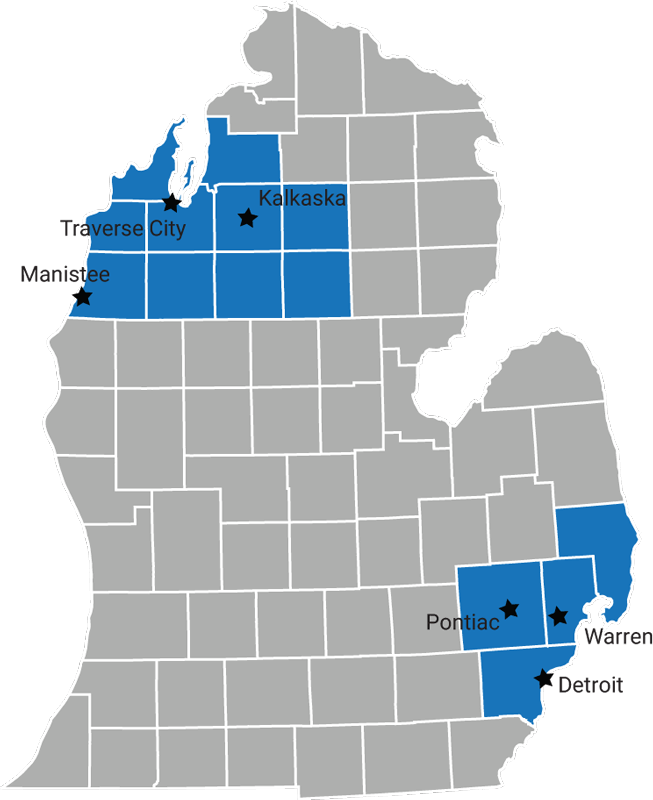
- Detroit
- Dearborn
- Livonia
- Westland
- Troy
- Farmington Hills
- Rochester Hills
- Southfield
- Warren
- Sterling Heights
- St. Claire Shores
- Roseville
- Port Huron
- Marysville
- Richmond
- St. Claire
- Traverse City
- Kingsley
- Kalkaska
- Cadillac
- Manton
- Buckley
- Elk Rapids
- Mancelona
- Bellaire
- Suttons Bay
- Northport
- Frankfort
- Benzonia
- Thompsonville
- Manistee
- Eastlake
- Kaleva
- Lake City
- Grayling
- Roscommon