
A flooded basement can go from a frustrating mess to a serious property damage problem in a matter of hours. For homeowners throughout Metro Detroit, periods of heavy rain can overwhelm sump pumps, expose drainage problems, contribute to sewer backups, and force water through vulnerable areas around a home’s foundation.
If you walk downstairs after a Michigan thunderstorm and find standing water, wet carpet, soaked drywall, or water coming from a floor drain, what you do next matters.
The first 24 hours after basement flooding are especially important. Fast action can help limit how far water travels, reduce damage to building materials and personal belongings, and get the drying process started before moisture creates additional problems.
Anytime Restoration provides 24/7 emergency restoration services throughout Metro Detroit, including communities across Wayne, Oakland, and Macomb counties.
If your basement is flooding now, call 1-855-350-0333 for emergency assistance.
Why Do Basements Flood After Heavy Rain in Metro Detroit?
Basement flooding does not always mean there is one obvious failure. During a major rain event, several conditions can occur at the same time.
Some of the most common causes include:
- Sump pump failure
- Loss of power to a sump pump
- Overwhelmed sump pump systems
- Sewer or drain backups
- Poor exterior drainage
- Clogged gutters or downspouts
- Water pooling near the foundation
- Foundation cracks
- Failed window wells
- Plumbing or drain problems
- Water entering through basement walls or floors
Metro Detroit’s mix of older housing stock, established neighborhoods, changing weather, heavy summer thunderstorms, freeze-thaw cycles, and drainage infrastructure can make basement water problems a concern throughout the region.
Anytime Restoration regularly provides water damage restoration for properties throughout Southeast Michigan, including flooded basements, sump pump failures, burst pipes, appliance leaks, sewage backups, and storm-related water intrusion.
Your Basement Flooded. What Should You Do First?
When you discover water in your basement, resist the temptation to immediately walk into it and start moving things.
Safety comes first.
Standing water can create electrical hazards, and floodwater may contain contaminants depending on where the water originated.
If water has reached electrical outlets, appliances, your electrical panel, extension cords, or other energized equipment, do not enter the water to unplug things.
If you can safely shut off electricity to the affected area without entering standing water, do so. If you cannot, wait for qualified help.
You can also review Ready.gov’s flood safety information for additional federal guidance about staying safe before, during, and after flooding.
Step 1: Determine Whether Water Is Still Entering
If it is safe to investigate, try to determine where the water is coming from.
Look for signs such as:
- Water around a floor drain
- Water entering through a foundation wall
- A sump crock that is overflowing
- A sump pump that is not operating
- Water around basement windows
- Water underneath a utility sink
- Water near a water heater or plumbing fixture
- Water appearing along the edge of the basement floor
- Sewage or dirty water coming from a drain
The source makes a major difference in how the loss should be handled.
Relatively clean rainwater entering through a window is different from contaminated water backing up through a sewer line.
If the water appears to contain sewage, keep people and pets away from the affected area and avoid attempting a typical DIY cleanup.
Anytime Restoration provides professional sewage backup cleanup in Metro Detroit, including extraction, removal of contaminated materials, cleaning, disinfection, odor control, and structural drying.
Step 2: Call a Water Damage Restoration Company
Once a significant amount of water has entered your basement, removing what you can see is only part of the problem.
Water can travel underneath flooring, into carpet padding, behind baseboards, inside drywall, into insulation, and through other porous building materials.
That is why professional water extraction is an important part of basement flood cleanup.
Professional restoration equipment can remove standing water much more efficiently than household equipment while allowing technicians to begin evaluating where moisture has traveled.
After extraction, the affected structure still needs to be properly dried.
Anytime Restoration provides structural drying and dehumidification using professional drying equipment, moisture meters, air movers, and dehumidifiers.
If your basement is currently flooded anywhere in Metro Detroit, call 1-855-350-0333 for 24/7 assistance.
Step 3: Document the Damage
If you plan to file an insurance claim, document the situation before moving or discarding damaged items whenever it is safe to do so.
Take photos and videos showing:
- The amount of standing water
- Where the water appears to have entered
- Damaged walls
- Damaged flooring and carpet
- Wet furniture
- Electronics and appliances
- Stored belongings
- The sump pump and sump crock
- Floor drains
- Water lines on walls or belongings
- Any visible structural damage
You do not need to turn your basement into a professional photo shoot. The goal is simply to create a record of what happened and what was affected.
Anytime Restoration also helps customers understand the restoration side of the insurance process. Learn more about the company’s insurance claims process and how restoration documentation can support a property damage claim.
Step 4: Protect Personal Property When It Is Safe
Metro Detroit homeowners often use their basements for much more than utilities and storage.
Finished basements may contain family rooms, home offices, bedrooms, exercise areas, entertainment systems, furniture, photographs, clothing, collectibles, documents, and other important belongings.
If the area is safe to enter and the water is not contaminated, move dry and unaffected belongings away from wet areas.
Avoid carrying contaminated items from a sewage-affected basement through clean portions of your house without professional guidance. Doing so can spread contamination.
For larger losses, Anytime Restoration offers contents and personal property restoration to help clean, deodorize, document, organize, and recover belongings when possible.
Step 5: Do Not Assume the Basement Is Dry Because the Water Is Gone
This is one of the biggest mistakes homeowners can make after a basement flood.
No standing water does not necessarily mean no water damage.
Imagine that two inches of water covered part of a finished basement for several hours. Even after the visible water is extracted, moisture may remain inside:
- Drywall
- Wood framing
- Baseboards
- Insulation
- Carpet padding
- Subflooring
- Cabinets
- Furniture
- Stored cardboard boxes
Professional restoration involves more than pumping water out of a room. Moisture detection and controlled drying help determine whether materials that look dry on the surface still contain excess moisture.
The U.S. Environmental Protection Agency recommends drying water-damaged areas and items within 24 to 48 hours when possible to help prevent mold growth. Homeowners can find additional guidance through the EPA’s mold and moisture resources.
What About Mold After a Basement Flood?
Mold is one reason basement flooding should be addressed quickly.
Basements already tend to have conditions that can make moisture management more difficult than in above-grade areas. Add soaked drywall, carpet, cardboard, wood, insulation, and limited airflow, and you can create conditions favorable to microbial growth.
Signs of a potential mold or moisture problem following a flood can include:
- Persistent musty odors
- Discoloration on drywall
- Visible spotting
- Damp carpet
- Swollen baseboards
- Peeling paint
- High humidity
- Condensation
- Continued dampness after the initial cleanup
If mold is suspected after water damage, Anytime Restoration also provides professional mold remediation services.
The better strategy, however, is to address the water loss quickly and thoroughly before hidden moisture has an opportunity to become a larger problem.
What If the Sump Pump Failed?
Sump pump problems are a particularly important concern during periods of intense rainfall.
A pump may fail because of a mechanical problem, loss of power, clogged components, improper sizing, a stuck float switch, or simply because incoming water exceeds the system’s capacity.
If your sump pump stops working during a storm, water can rise quickly.
After the immediate flood has been addressed, consider having the sump pump system evaluated before the next major storm. Depending on the home, additional protection might include a battery backup or secondary pump.
Homeowners should also periodically check the discharge location and make sure water is being directed away from the foundation rather than cycling back toward the house.
For additional seasonal prevention information, read Anytime Restoration’s guide to spring water damage and basement flooding in Metro Detroit.
Is It Rainwater or a Sewage Backup?
This distinction is extremely important.
Water that comes through a foundation or basement window after heavy rain presents one type of restoration problem.
Water that backs up through a floor drain or sewer and contains sewage presents a contamination hazard.
Warning signs of a possible sewer backup include:
- Water coming up through floor drains
- Multiple drains backing up simultaneously
- Toilets bubbling or gurgling
- Strong sewage odors
- Dark or visibly contaminated water
- Waste material in the water
Do not let children or pets enter a sewage-contaminated basement.
Avoid using fans or other equipment that could spread contaminated material into unaffected areas.
Call a professional restoration company experienced with sewage losses.
Will Homeowners Insurance Cover a Flooded Basement?
There is no universal answer because coverage depends on why the basement flooded and the specific terms, exclusions, limits, and endorsements in your policy.
A sudden plumbing failure may be treated differently than groundwater flooding. Sewer and drain backup coverage may require a specific endorsement. Traditional homeowners insurance also generally treats flooding differently from many forms of internal water damage.
Anytime Restoration has a detailed guide explaining water damage vs. flood damage and Michigan insurance coverage.
For information specifically about flood insurance, homeowners can also visit FEMA’s official flood insurance resource.
When in doubt, contact your insurance carrier directly and ask what your policy covers.
How Can Metro Detroit Homeowners Reduce Future Basement Flooding?
Not every basement flood can be prevented, but routine maintenance can reduce the likelihood of certain types of water intrusion.
Before the next major rain event:
Test your sump pump. Make sure it activates and removes water properly.
Consider backup power. Heavy thunderstorms can cause power outages at exactly the time your sump pump is needed most.
Clean gutters. Clogged gutters can dump large amounts of water near your foundation.
Check downspouts. Make sure water is directed away from the house.
Look at exterior grading. Soil should generally encourage water to move away from the foundation rather than collect next to it.
Inspect basement windows and window wells. Look for drainage issues, cracks, gaps, or places where water could collect.
Watch for foundation cracks. New or changing cracks may deserve professional evaluation.
Pay attention to drains. Slow drains, recurring backups, or gurgling plumbing can indicate problems that should be investigated before the next storm.
Basement Flood Cleanup Throughout Metro Detroit
Anytime Restoration provides emergency water damage cleanup throughout Wayne, Oakland, Macomb, and surrounding Southeast Michigan communities.
Homeowners can explore Anytime Restoration’s complete Metro Detroit service area to confirm local coverage.
The company provides local restoration services in communities including:
Anytime Restoration also serves homeowners and businesses throughout Detroit, Troy, Rochester, Rochester Hills, Farmington Hills, Southfield, Dearborn, Livonia, Grosse Pointe, St. Clair Shores, New Baltimore, and surrounding Metro Detroit communities.
Whether you have a flooded basement in Warren, a failed sump pump in Sterling Heights, water damage in Royal Oak, or storm-related water intrusion elsewhere in Southeast Michigan, fast mitigation can help prevent a manageable problem from becoming a much larger restoration project.
What Happens During Professional Basement Flood Restoration?
Every water loss is different, but a typical restoration project may involve:
1. Emergency Inspection
Technicians evaluate the source, affected areas, safety concerns, and extent of visible damage.
2. Water Extraction
Standing water is removed using professional extraction equipment.
3. Moisture Detection
Affected building materials are evaluated to determine how far water has traveled.
4. Removal of Unsalvageable Materials
Depending on the severity and type of water loss, certain saturated or contaminated materials may need to be removed.
5. Structural Drying
Air movers, professional dehumidifiers, and other equipment are used to create controlled drying conditions.
6. Monitoring
Moisture levels are monitored during the drying process rather than relying solely on how materials look or feel.
7. Cleaning and Restoration
Affected areas are cleaned and, when necessary, damaged materials are repaired or replaced.
For homeowners unfamiliar with restoration, Anytime Restoration’s article What to Do After Flood or Water Damage in Metro Detroit Homes provides additional information about what to do immediately after a water loss.
You can also read What to Do After Summer Storm Damage in Metro Detroit for guidance specifically related to severe Michigan summer weather.
Frequently Asked Questions About Basement Flooding in Metro Detroit
How quickly should I call after my basement floods?
As soon as you discover significant water intrusion. Water can spread into porous building materials even when the visible amount initially seems manageable.
Can I use a shop vacuum to clean up my flooded basement?
A very small amount of clean water may sometimes be manageable by a homeowner, provided there are no electrical or contamination hazards. Significant flooding, hidden moisture, or contaminated water requires a different approach. Never use electrical equipment while standing in water or where electrical hazards may be present.
How long does a flooded basement take to dry?
There is no fixed drying time. The amount and type of water, materials affected, temperature, humidity, airflow, and how quickly extraction begins can all affect the drying process. Moisture readings provide a better indication of progress than simply counting days.
Should wet basement drywall be replaced?
It depends on the type of water, degree of saturation, length of exposure, and condition of the drywall and surrounding materials. A restoration professional can evaluate what can be dried and what should be removed.
Can mold grow after basement flooding?
Yes. Persistent moisture creates conditions that can support mold growth, which is why prompt extraction and drying are important after a basement flood.
Who should I call for a flooded basement in Metro Detroit?
For significant water damage, standing water, sewage contamination, or a basement requiring professional extraction and drying, contact a water damage restoration company. Anytime Restoration provides 24/7 emergency water damage services throughout Metro Detroit.
Call Anytime Restoration for a Flooded Basement in Metro Detroit
When heavy rain leaves water in your basement, waiting can allow moisture to spread farther into your property.
Anytime Restoration provides emergency restoration services, water extraction, structural drying, sewage cleanup, mold remediation, contents restoration, and reconstruction throughout Metro Detroit.
Anytime Restoration
24/7 Emergency Service: 1-855-350-0333
Headquarters: 6655 Chicago Rd, Warren, MI 48092
Contact Anytime Restoration
If your basement is flooded now, call 1-855-350-0333. The sooner the water is removed and the structure is evaluated, the sooner you can begin getting your basement and home back to normal.
"*" indicates required fields








Proudly Serving Northern & South Eastern Michigan
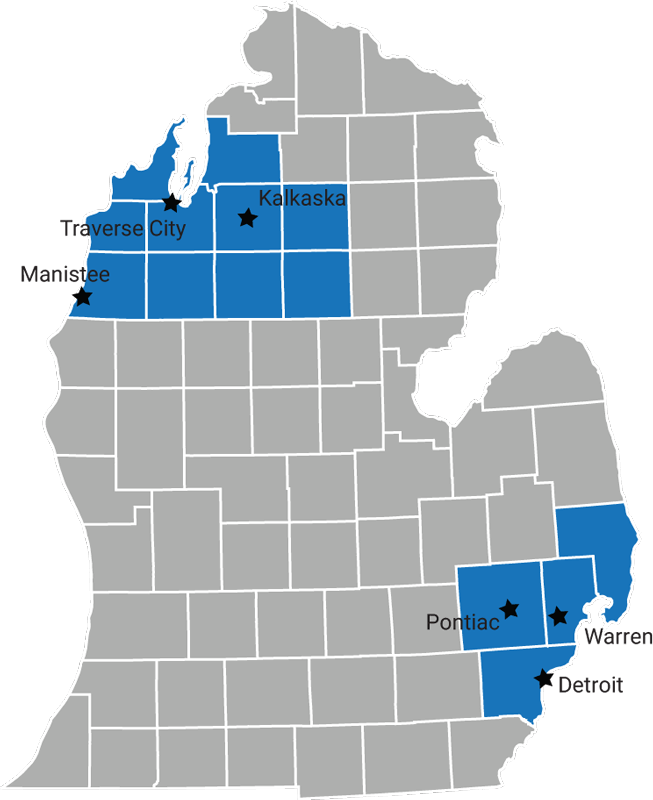
Providing residential and commercial disaster restoration and reconstruction services to Wayne, Oakland, Macomb, St. Clair, Grand Traverse, Kalkaska, Wexford, Antrim, Leelanau, Benzie, Manistee, Missaukee, Crawford and Roscommon Counties.
- Detroit
- Dearborn
- Livonia
- Westland
- Troy
- Farmington Hills
- Rochester Hills
- Southfield
- Warren
- Sterling Heights
- St. Claire Shores
- Roseville
- Port Huron
- Marysville
- Richmond
- St. Claire
- Traverse City
- Kingsley
- Kalkaska
- Cadillac
- Manton
- Buckley
- Elk Rapids
- Mancelona
- Bellaire
- Suttons Bay
- Northport
- Frankfort
- Benzonia
- Thompsonville
- Manistee
- Eastlake
- Kaleva
- Lake City
- Grayling
- Roscommon