
Hardwood flooring is one of the features homeowners often want to save most after water damage.
Unfortunately, water and wood flooring are not a good combination.
A leaking dishwasher, broken refrigerator supply line, overflowing sink, burst pipe, roof leak or flooded room can send water underneath hardwood long before the full extent of the problem becomes visible.
Then the questions start:
Does the floor have to come out? Can hardwood dry? Will the boards flatten again? Is there water underneath even if the top feels dry?
The encouraging answer is that water-damaged hardwood does not automatically have to be replaced.
Depending on the water source, length of exposure, flooring construction and extent of damage, professional structural drying may be able to save some hardwood floors.
The key is acting quickly.
If you have active water damage in Metro Detroit or elsewhere in Anytime Restoration’s Michigan service area, call Anytime Restoration at (855) 350-0333 or request emergency restoration service.
What Happens When Water Gets Under Hardwood Flooring?
Wood naturally absorbs and releases moisture based on its surrounding environment.
When excess water reaches hardwood flooring, the wood can absorb that moisture and expand.
Water may also penetrate:
- Between floorboards
- Beneath the finished surface
- Into the subfloor
- Into underlayment
- Around walls
- Beneath cabinets
- Into adjacent rooms
The amount of visible water on top of the flooring therefore does not necessarily represent the extent of the loss.
A kitchen floor might look relatively dry after mopping while the subfloor underneath remains wet.
How Does Water Get Under Hardwood Floors?
Common causes include:
Dishwasher Leaks
A failed dishwasher connection or internal leak can release water underneath cabinets and flooring.
Because much of the water may remain hidden, the first sign may be warped flooring.
Refrigerator Supply Lines
Small refrigerator and ice-maker lines can leak slowly.
A gradual leak may affect the flooring and subfloor before homeowners notice standing water.
Washing Machine Failures
Supply hoses, drains and washing machine components can release substantial amounts of water.
Burst or Frozen Pipes
Michigan winters create a significant risk of frozen plumbing.
When pipes burst inside walls or ceilings, water may spread across multiple rooms and underneath flooring.
Sink and Toilet Overflows
Overflowing fixtures can release enough water to travel through seams between hardwood boards.
Roof Leaks and Storm Damage
Water entering from above can travel through walls and eventually reach flooring.
Basement or Groundwater Intrusion
Finished lower levels may experience water intrusion from heavy rain, foundation problems, sump pump failure or other sources.
Signs There May Be Water Under Your Hardwood
Some signs appear quickly. Others may take time.
Cupping
Cupping occurs when the edges of a board rise higher than its center.
It often indicates a moisture imbalance within the flooring.
Crowning
Crowning is essentially the opposite pattern: the center of a board appears higher than its edges.
Buckling
Severe moisture exposure can cause boards to pull away from the subfloor.
Buckling usually indicates substantial movement and requires professional evaluation.
Gaps or Movement
Moisture-related expansion and contraction can create changes between boards.
Discoloration
Darkening or staining may indicate moisture exposure.
Musty Odors
Persistent odors near flooring may suggest moisture remains trapped underneath or microbial growth has developed.
Wet Baseboards
Water beneath flooring may migrate toward walls and affect baseboards or lower drywall.
Flooring Feels Different
Sections of flooring may feel raised, uneven or loose.
If you notice any of these signs after a known water loss, do not assume the problem is purely cosmetic.
Can Water-Damaged Hardwood Floors Be Saved?
Sometimes.
The answer depends on several important factors.
How Quickly Was the Water Discovered?
The sooner water is removed and professional drying begins, the better the opportunity to limit additional damage.
The EPA recommends drying water-damaged areas and materials within approximately 24–48 hours when possible.
What Kind of Water Was It?
A clean-water plumbing leak presents a different restoration scenario from sewage or contaminated floodwater.
Contamination can determine whether porous materials can safely remain.
How Much Water Was Present?
A small leak caught quickly is different from several inches of standing water.
How Long Was the Floor Wet?
Longer exposure gives wood more time to absorb moisture, swell and deform.
What Is Under the Hardwood?
Flooring systems vary.
Hardwood may be installed over:
- Plywood
- OSB
- Concrete
- Underlayment
- Other flooring layers
The drying strategy must account for the materials underneath the finished floor.
How Severe Is the Physical Damage?
Severely buckled, split or deteriorated flooring may not be salvageable even if it can technically be dried.
Why the Subfloor Matters
Saving the visible hardwood is only part of the objective.
The subfloor must also be considered.
If moisture remains trapped underneath the flooring, simply drying the top surface does not solve the problem.
Persistent subfloor moisture can contribute to:
- Odors
- Mold growth
- Material deterioration
- Continued flooring movement
Professional restoration technicians therefore evaluate moisture throughout the flooring system.
How Professionals Detect Moisture Under Hardwood
Water damage restoration should be based on measurements rather than guesswork.
Technicians may use moisture meters and other diagnostic equipment to map affected areas.
Moisture readings can help determine:
- Where flooring is affected
- How far water traveled
- Whether nearby areas are dry
- Whether moisture levels are improving
- When drying goals have been reached
Thermal imaging may also help identify patterns that warrant additional moisture investigation.
How Hardwood Floors Are Professionally Dried
The drying method depends on the situation.
A typical project may include several steps.
Step 1: Stop the Water Source
No drying system will solve the problem if new water continues entering the property.
Plumbing or building-envelope problems should be corrected.
Step 2: Remove Standing Water
Professional extraction equipment can remove accessible liquid water.
Removing liquid water efficiently reduces the amount that must later evaporate.
Step 3: Evaluate the Flooring Assembly
Technicians assess the hardwood, subfloor and surrounding building materials.
Step 4: Establish Drying Conditions
Professional equipment may include:
- Air movers
- Dehumidifiers
- Specialized floor-drying systems
- Moisture monitoring equipment
The objective is controlled drying, not simply blasting the floor with heat.
EPA water-damage guidance specifically advises caution when applying heat to hardwood flooring.
Step 5: Monitor Progress
Moisture readings help determine whether the floor and subfloor are responding to the drying process.
This can continue until appropriate drying goals are reached or technicians determine that materials cannot be successfully restored.
Learn more about Anytime Restoration’s structural drying and dehumidification services.
Should You Use Household Fans on Wet Hardwood?
Moving air can support evaporation, but a few household fans do not provide the same control and monitoring as professional structural drying.
There are several reasons.
First, the moisture may be underneath the flooring rather than on its surface.
Second, evaporating water increases indoor humidity. Without sufficient dehumidification, that moisture remains inside the building.
Third, some losses involve contamination where indiscriminate air movement may be inappropriate.
If the floor has experienced significant water intrusion, professional evaluation is the safer approach.
Should You Turn Up the Heat?
Avoid trying to aggressively “bake” a hardwood floor dry.
Rapid, uncontrolled drying can create additional stress in wood.
Professional restoration focuses on controlled moisture removal while monitoring the material’s response.
Will Cupped Hardwood Flatten After Drying?
Possibly.
Some flooring may improve as moisture levels return toward normal.
However, homeowners should avoid sanding or refinishing cupped flooring prematurely.
If wood is sanded while it still contains excessive moisture, its dimensions may continue changing afterward.
The first priority is getting the flooring and subfloor dry.
Cosmetic repair comes later.
When Does Hardwood Usually Need Replacement?
Replacement may become necessary when:
- Boards are severely buckled.
- The flooring has separated significantly from the subfloor.
- Wood is split or physically damaged.
- Contamination prevents safe restoration.
- Mold or deterioration is extensive.
- The flooring cannot be returned to acceptable moisture conditions.
- The finished appearance cannot be reasonably restored.
Professional inspection can help separate materials that are potentially salvageable from those that are not.
Can Mold Grow Under Hardwood Flooring?
Yes.
Mold requires moisture, and water trapped beneath flooring can create favorable conditions.
The CDC advises fixing leaks and drying water-damaged homes quickly—generally within 24–48 hours after flooding when possible.
Potential warning signs include:
- Musty odors
- Persistent moisture
- Visible growth near floor edges
- Water damage that went unnoticed for an extended period
If mold is suspected, Anytime Restoration provides mold remediation services.
What About Engineered Hardwood?
Engineered flooring behaves differently from traditional solid hardwood because it is made from multiple layers.
Whether it can be saved depends on:
- Product construction
- Water exposure
- Installation method
- Subfloor condition
- Delamination
- Manufacturer specifications
Some engineered products may tolerate moisture differently than solid wood, while others can delaminate after substantial exposure.
Professional evaluation is important before deciding whether to remove it.
Water Under Hardwood After a Dishwasher Leak
Kitchen water losses are particularly common because multiple water-using appliances and fixtures are concentrated in one area.
If a dishwasher leaks, water may travel:
- Beneath cabinets
- Under hardwood
- Into adjacent rooms
- Through the floor into the level below
Homeowners often discover the problem when flooring begins changing shape.
Do not simply replace the dishwasher and wait for the flooring to “work itself out.”
Determine whether moisture remains underneath.
Water Under Hardwood From a Refrigerator
Refrigerator supply-line leaks can be slow and difficult to detect.
Because refrigerators remain in the same position for years, a leak may continue unnoticed behind the appliance.
Look for:
- Discolored boards
- Cupping
- Soft trim
- Moisture along adjacent walls
- Musty odors
Water Under Hardwood From a Burst Pipe
A burst pipe can affect a much larger area in a short amount of time.
Water can spread through rooms, wall cavities and flooring systems.
If this happens:
- Shut off the water when safe.
- Avoid electrical hazards.
- Remove standing water professionally.
- Begin structural drying promptly.
- Document the damage.
- Contact your insurer when appropriate.
Water Damage and Homeowners Insurance
Whether your flooring damage is covered depends on your insurance policy and the cause of the loss.
Sudden plumbing failures may be treated differently from flooding, long-term leakage or maintenance issues.
Anytime Restoration has published information about water damage versus flood damage and insurance in Michigan.
Your insurance company or agent should ultimately answer questions about your specific coverage.
Water-Damaged Hardwood in Metro Detroit
Water losses in Southeast Michigan can happen year-round.
Winter brings frozen and burst pipes.
Spring brings snowmelt, saturated soil and heavy rainfall.
Summer storms can overwhelm drainage systems.
Appliance and plumbing failures can happen in any season.
Anytime Restoration serves homeowners and businesses throughout Macomb County, Wayne County and communities throughout Oakland County and surrounding Michigan areas.
Its headquarters is located at 6655 Chicago Rd, Warren, MI 48092.
If you’re in Warren, visit the dedicated Warren restoration services page.
For additional communities, browse the full Anytime Restoration service area.
Frequently Asked Questions About Water-Damaged Hardwood
How long can water sit on hardwood floors?
There is no universal “safe” amount of time. Wood can begin absorbing moisture quickly, and the extent of damage depends on the amount of water, wood species, flooring construction and environmental conditions. Address water as soon as possible.
Does wet hardwood always have to be replaced?
No. Some hardwood can be professionally dried and retained depending on the water source, exposure time and physical condition.
How do I know if water is underneath my hardwood?
Cupping, buckling, discoloration, odors and elevated moisture readings can indicate moisture beneath flooring. Professional moisture testing can identify problems that are not visually obvious.
Can you dry the subfloor without removing hardwood?
Sometimes specialized drying methods can dry flooring systems without removing all of the finished floor. Whether that is appropriate depends on the flooring assembly and the nature of the water loss.
Will cupped hardwood go back to normal?
Some cupping may improve as the flooring returns to appropriate moisture levels. Severe or permanent deformation may require repair or replacement.
Should I sand a cupped hardwood floor?
Not while it is still wet. Drying and stabilization should occur before cosmetic refinishing decisions are made.
Can water under hardwood cause mold?
Yes. Persistent moisture beneath flooring can create conditions that support mold growth.
How long does professional hardwood drying take?
There is no fixed timeline. Drying time depends on the amount of water, flooring type, subfloor, humidity, temperature and other site-specific conditions. Moisture readings—not an arbitrary number of days—should guide the process.
Act Quickly Before Deciding Your Hardwood Is Ruined
Seeing a beautiful hardwood floor cup or buckle after a leak can be alarming.
But do not immediately assume the entire floor needs to be torn out.
Professional water-damage restoration is about determining what can be saved as well as what must be removed.
The sooner moisture is identified, extracted and professionally dried, the better the opportunity to limit secondary damage.
If water has reached hardwood flooring in your Metro Detroit home or business, contact Anytime Restoration.
Call (855) 350-0333 for 24/7 emergency restoration assistance, or contact Anytime Restoration online.
The team can evaluate the affected flooring, identify hidden moisture, establish a professional drying plan and help determine the appropriate next step for your property.
"*" indicates required fields








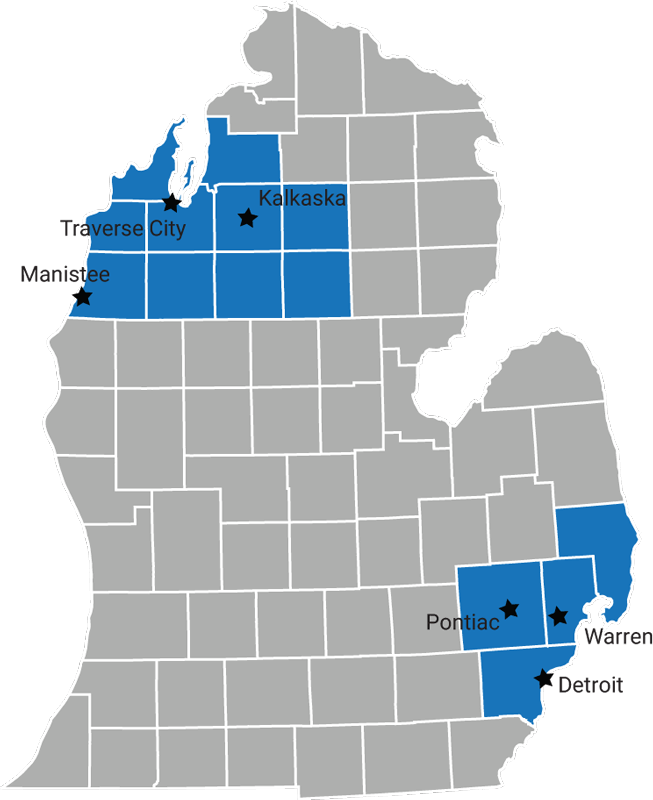
Proudly Serving Northern & South Eastern Michigan
Providing residential and commercial disaster restoration and reconstruction services to Wayne, Oakland, Macomb, St. Clair, Grand Traverse, Kalkaska, Wexford, Antrim, Leelanau, Benzie, Manistee, Missaukee, Crawford and Roscommon Counties.
- Detroit
- Dearborn
- Livonia
- Westland
- Troy
- Farmington Hills
- Rochester Hills
- Southfield
- Warren
- Sterling Heights
- St. Claire Shores
- Roseville
- Port Huron
- Marysville
- Richmond
- St. Claire
- Traverse City
- Kingsley
- Kalkaska
- Cadillac
- Manton
- Buckley
- Elk Rapids
- Mancelona
- Bellaire
- Suttons Bay
- Northport
- Frankfort
- Benzonia
- Thompsonville
- Manistee
- Eastlake
- Kaleva
- Lake City
- Grayling
- Roscommon