
A leaking pipe does not have to flood your basement or send water pouring through the ceiling to cause serious damage.
Some of the most difficult water damage to identify happens where you cannot see it: inside wall cavities, behind drywall, underneath trim, and around insulation.
A small plumbing leak, roof leak, appliance connection failure, or bathroom leak can allow water to travel into hidden areas of a home. The visible water may disappear while moisture remains trapped inside the structure.
For homeowners throughout Metro Detroit, identifying hidden moisture quickly can make a major difference in the amount of restoration work ultimately required.
If you suspect water has entered a wall in your home, here are the warning signs to look for, what may be happening behind the drywall, and when it is time to call a professional.
If you’re currently dealing with water damage, Anytime Restoration provides 24/7 emergency restoration throughout Metro Detroit and surrounding Michigan communities. Call (855) 350-0333 for assistance.
Can Water Really Stay Trapped Behind a Wall?
Yes.
A wall is not simply a painted piece of drywall. Depending on the construction of your home, the cavity behind it may contain:
- Wood framing
- Insulation
- Electrical wiring
- Plumbing
- Vapor barriers
- Sheathing
- Drywall or plaster
- Other building materials
Water can enter this cavity from above, below, or behind the wall.
For example, a small leak from a second-floor bathroom may enter the floor assembly, travel along framing and eventually reach the wall below. The stain you see may be several feet from the actual source.
Similarly, water entering around a roof penetration may travel along rafters or framing before appearing on an interior wall.
That is why identifying the source of the water is just as important as drying the area where damage becomes visible.
10 Signs You May Have Water Behind Your Walls
1. Discoloration on the Drywall
One of the most recognizable signs of water damage is a stain that appears on a wall or ceiling.
Water stains may appear:
- Yellow
- Tan
- Brown
- Copper-colored
- Gray
- Dark around the edges
The stain may continue growing if the leak remains active.
However, a stain that stops growing does not necessarily mean everything behind the wall is dry. It may simply mean the source has temporarily stopped.
2. Bubbling or Peeling Paint
Paint can lose adhesion when moisture affects the drywall underneath it.
You may notice:
- Bubbling paint
- Blisters beneath the surface
- Peeling sections
- Cracking
- Paint separating from the wall
Painting over the area may hide the cosmetic problem temporarily, but it does not address moisture trapped behind the surface.
The source should be identified and the affected materials evaluated first.
3. Soft or Spongy Drywall
Drywall is porous.
When it absorbs enough water, it can lose strength and become soft.
If a section of wall feels unusually soft, swollen, or spongy, moisture may have affected the gypsum core.
Avoid repeatedly pressing damaged drywall because heavily saturated material can crumble or break.
Professional water-damage technicians can evaluate the material and determine whether drying is practical or removal is necessary.
Learn more about professional structural drying and dehumidification.
4. Warped Walls or Baseboards
Water can cause certain building materials to expand.
You may notice:
- Bowed drywall
- Warped baseboards
- Trim separating from the wall
- Swollen wood
- Buckling materials
- Gaps that did not previously exist
These changes can indicate that moisture has been present long enough to affect the physical dimensions of the material.
5. A Musty Odor
Sometimes you smell a moisture problem before you see it.
A persistent musty or earthy odor can indicate damp building materials or microbial growth.
Pay particular attention when an odor seems concentrated near:
- Bathrooms
- Kitchens
- Laundry rooms
- Basements
- Exterior walls
- Plumbing chases
- Areas below upstairs bathrooms
If the odor returns even after cleaning the room, the source may be hidden.
Anytime Restoration also provides professional mold remediation when water damage contributes to mold growth.
6. Unexpectedly High Water Bills
Not every hidden leak begins with visible damage.
An unexplained increase in water consumption can sometimes indicate a plumbing leak somewhere in the property.
Compare recent water bills with the same period from previous years. If usage has increased significantly without an obvious explanation, consider having the plumbing system inspected.
Finding and stopping the source should happen before restoration begins.
7. Water Appearing Near the Baseboard
Water follows gravity.
When a pipe leaks inside a wall, water may travel downward and collect near the floor.
You might notice:
- Damp carpet near the wall
- Darkened flooring
- Swollen baseboards
- Moisture along the wall-floor joint
- Loose flooring
- Staining at the bottom of drywall
Do not assume the floor is the source simply because that is where the water appears.
8. A Wall Feels Cold or Damp
A wet section of wall can sometimes feel cooler than the surrounding surface because of evaporation.
That does not provide enough information to diagnose the problem by itself, but an unusually cool area combined with staining, odor, peeling paint, or a known leak deserves further investigation.
Professional moisture-detection equipment provides much more useful information than touch alone.
9. Visible Mold Growth
Visible mold near a previously wet area is a strong indication that a moisture problem exists or existed.
The U.S. Environmental Protection Agency emphasizes that moisture control is the key to controlling mold and recommends drying water-damaged areas and materials within approximately 24–48 hours when possible.
If mold appears on drywall, trim, or other materials following a leak, the visible growth may not tell you the full extent of the moisture problem.
10. You Had a Leak but Never Professionally Dried the Area
This is one of the most overlooked warning signs.
Maybe:
- A toilet overflowed.
- A supply line broke.
- A refrigerator leaked.
- A pipe froze.
- The roof leaked during a storm.
- The bathtub overflowed.
- A washing machine hose failed.
You cleaned up the visible water, and everything looked fine.
But was the wall cavity actually dry?
Water can travel into areas that towels, household fans, and shop vacuums cannot reach.
Anytime Restoration has documented real-world situations where a seemingly localized leak traveled beyond the room where it originated. Read the company’s Ypsilanti hidden bathroom leak restoration story for an example of why hidden water deserves attention.
Where Does Hidden Water Usually Come From?
Water behind walls can originate from many sources.
Plumbing Leaks
Pipes frequently run through walls and ceilings.
Problems may include:
- Failed fittings
- Pinhole leaks
- Broken supply lines
- Drain leaks
- Frozen pipes
- Loose connections
Michigan winters make frozen plumbing an especially important concern.
Bathroom Leaks
Bathrooms contain several potential sources of hidden moisture:
- Tub and shower plumbing
- Toilets
- Sink supply lines
- Drain connections
- Failed caulk or seals
- Shower surrounds
Water can also travel from an upstairs bathroom into ceilings and walls on the floor below.
Roof Leaks
Roof leaks can send water into attic insulation and wall cavities.
The visible stain may be far from the roof opening because water can travel along framing before moving downward.
Appliance Leaks
Dishwashers, washing machines, refrigerators, water heaters, and other appliances can release significant amounts of water.
Slow leaks are particularly troublesome because they may remain unnoticed.
Basement Water Intrusion
Water entering a basement can affect finished walls, insulation, baseboards, and flooring.
Metro Detroit’s heavy rain, snowmelt, saturated soil, and sump pump failures can all contribute to basement water problems.
Read Anytime Restoration’s Spring Property Protection Guide for more information about seasonal water-damage risks in Southeast Michigan.
Why Hidden Moisture Is a Problem
The primary concern is not simply that something got wet.
The concern is what remains wet and for how long.
Moisture can affect drywall, insulation, wood framing, flooring, adhesives and other building materials.
Without proper drying, homeowners can encounter:
- Deteriorated drywall
- Damaged insulation
- Warped wood
- Flooring damage
- Musty odors
- Mold growth
- Additional repair costs
The goal of professional water mitigation is therefore not simply removing standing water.
It is returning affected building materials to appropriate moisture conditions.
How Professionals Find Water Behind Walls
Professional restoration companies have equipment designed to evaluate moisture beyond what can be seen from the room.
Depending on the situation, the inspection may involve moisture meters, thermal imaging, humidity measurements and physical inspection.
Moisture Meters
Moisture meters can help technicians compare affected building materials with unaffected areas.
This can help establish the boundaries of the water damage.
Thermal Imaging
Thermal cameras identify temperature differences across surfaces.
Those differences can help technicians locate areas that warrant closer moisture investigation.
Thermal imaging does not magically “see water through walls,” but it can be an extremely useful diagnostic tool when combined with professional moisture readings.
Inspection of Adjacent Areas
Because water travels, technicians may inspect:
- The room above
- The room below
- Adjacent walls
- Flooring
- Ceilings
- Closets
- Plumbing access areas
This helps determine how far moisture has migrated.
Does Wet Drywall Always Have to Be Removed?
No.
Whether drywall can be dried or should be removed depends on factors such as:
- How wet it became
- How long it remained wet
- The source of the water
- Whether the drywall has swollen or deteriorated
- Whether insulation behind it is wet
- Whether microbial growth is present
- Whether the wall cavity can be effectively dried
EPA guidance notes that wallboard may sometimes be dried in place when there is no obvious swelling and seams remain intact. If those conditions are not met, removal and replacement may be appropriate.
That is exactly why homeowners should avoid assuming that every wet wall must be demolished—or that every wet wall can simply be left alone.
Can You Dry Water Behind a Wall Without Removing the Drywall?
Sometimes.
Professional restoration equipment may be able to dry certain assemblies without extensive demolition.
A drying strategy can include:
- Commercial air movement
- Dehumidification
- Controlled access to wall cavities
- Moisture monitoring
- Temperature and humidity management
However, the appropriate method depends on the materials and the type of water involved.
For example, contaminated water requires different procedures than a small clean-water plumbing leak.
What Should You Do When You Discover a Leak?
First, stop the water source if you can do so safely.
Then:
- Avoid electrical hazards.
- Move valuables away from the affected area.
- Document visible damage with photographs.
- Do not assume the wall is dry because the surface looks dry.
- Contact a restoration professional if water entered building materials.
If you’re dealing with significant water damage, Anytime Restoration provides 24/7 restoration services throughout its Michigan coverage area.
Hidden Water Damage and Mold
Water damage does not automatically mean a home will develop mold.
However, wet building materials create conditions where mold may grow.
Both the EPA and CDC emphasize quickly drying wet materials, generally within 24–48 hours when possible.
That makes rapid moisture detection particularly important after leaks that reach walls, floors or ceilings.
If you smell a persistent musty odor or see visible growth following water damage, consider professional evaluation.
Hidden Water Damage in Metro Detroit Homes
Homes throughout Southeast Michigan experience a wide range of water-loss events.
Anytime Restoration serves homeowners and businesses throughout Macomb County, Wayne County, Oakland County and surrounding communities.
The company’s headquarters are located at 6655 Chicago Rd, Warren, MI 48092, and its service network extends throughout Metro Detroit and Northern Michigan.
Homeowners in Warren can learn more through Anytime Restoration’s dedicated Warren restoration services page.
You can also browse the complete Anytime Restoration service area to determine whether service is available in your community.
Frequently Asked Questions About Water Behind Walls
How do I know if there is water behind my drywall?
Common signs include discoloration, bubbling paint, soft drywall, warped trim, musty odors and visible mold. Professional moisture testing can provide much more information than appearance alone.
How long can water sit behind a wall?
There is no safe universal period to ignore wet building materials. EPA and CDC guidance recommends drying water-damaged materials within approximately 24–48 hours when possible to reduce the likelihood of mold growth.
Will water behind a wall dry by itself?
Some minor moisture may eventually evaporate, but homeowners should not assume a wall cavity has dried simply because the visible surface feels dry. Insulation, framing and other concealed materials may retain moisture.
Does drywall have to be replaced after getting wet?
Not always. The decision depends on the severity and duration of wetting, contamination, physical deterioration and whether the assembly can be effectively dried.
Can mold grow inside a wall without being visible?
Yes. Mold can grow on damp materials inside concealed areas. A persistent musty odor following water damage is one reason to investigate further.
Can thermal imaging detect water behind walls?
Thermal imaging can identify temperature patterns associated with possible moisture, but findings should generally be verified using appropriate moisture-detection equipment.
Don’t Ignore Signs of Hidden Water Damage
A small stain on a wall may represent a minor problem—or it may be the visible evidence of a much larger area of trapped moisture.
The sooner the source and extent of the damage are identified, the sooner appropriate drying can begin.
If you suspect water is trapped behind a wall, ceiling or floor in your Metro Detroit home or business, contact Anytime Restoration.
Call (855) 350-0333 for 24/7 assistance or request restoration service online.
Professional moisture detection, water removal and structural drying can help determine what is wet, what can be saved and what needs to happen next.
"*" indicates required fields








Proudly Serving Northern & South Eastern Michigan
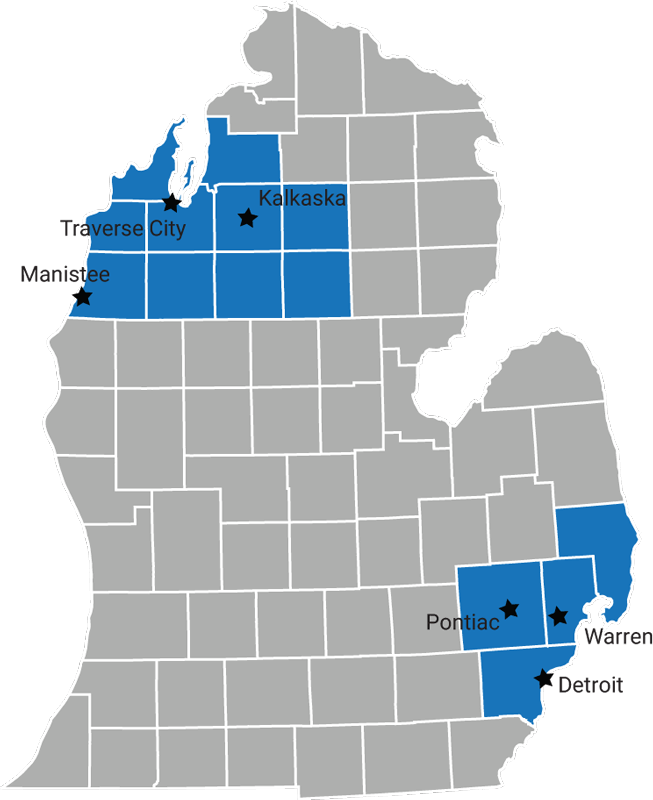
Providing residential and commercial disaster restoration and reconstruction services to Wayne, Oakland, Macomb, St. Clair, Grand Traverse, Kalkaska, Wexford, Antrim, Leelanau, Benzie, Manistee, Missaukee, Crawford and Roscommon Counties.
- Detroit
- Dearborn
- Livonia
- Westland
- Troy
- Farmington Hills
- Rochester Hills
- Southfield
- Warren
- Sterling Heights
- St. Claire Shores
- Roseville
- Port Huron
- Marysville
- Richmond
- St. Claire
- Traverse City
- Kingsley
- Kalkaska
- Cadillac
- Manton
- Buckley
- Elk Rapids
- Mancelona
- Bellaire
- Suttons Bay
- Northport
- Frankfort
- Benzonia
- Thompsonville
- Manistee
- Eastlake
- Kaleva
- Lake City
- Grayling
- Roscommon